
Job-Change Outreach: A New VP Is a Window, Not a Buying Signal
A new VP is a 90-day window, not a buying signal. Filter job-change outbound by ICP and mandate — skip the congratulations email.
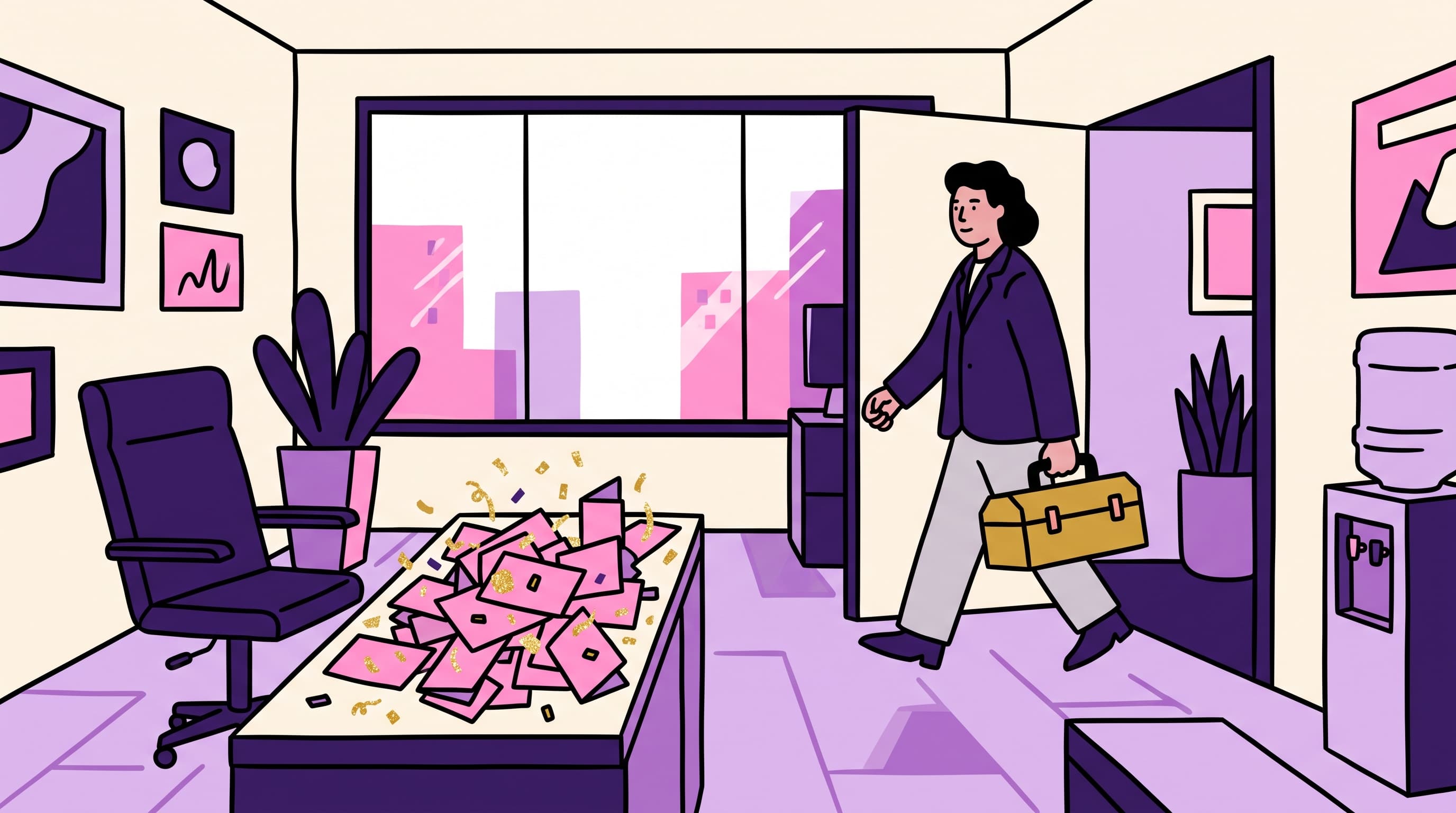
A title change is not a buying signal. A newly hired VP is rebuilding a stack they did not choose — useful only if the company already matches your ICP and your offer maps to the job they were hired to do in the first 90 days. Congrats-on-the-new-role is inbox confetti. Filter first.
Unify, ZoomInfo, UserGems, Champify, and every Clay cookbook will treat a LinkedIn role change as a send trigger. Run it as a three-gate filter instead: company first, mandate second, relationship third. Most job-change sequences fire on the title and ignore whether you should have been writing to that company at all.
This is the job-change spoke under signal-based outbound. That hub is the timing layer across events. This page is one event: which moves you skip, when you write, and whether you email the person who left or the person who arrived.
Is a job change a buying signal?
Sometimes. Not by default.
A new leader in a buying seat often inherits a stack they did not pick, a team they did not hire, and a first-quarter report the CEO will actually read. Changing a vendor in that window looks like leadership. Six months later the same swap looks like disruption. That is the mechanic — a temporary drop in the social cost of switching, not a purchase order.
UserGems' internal cut says director and VP titles convert 2.5× in the first three months versus after a year (UserGems, New Hires & Promotions). Treat that as vendor research on their book, not a forecast for your sequence. Ken does not publish a "job-change versus cold" table. Our public benchmarks — not SLAs — sit around ~3% reply versus a ~1% industry norm. Offer and copy still move the number more than the trigger.
Three shapes get mashed into one alert:
- Champion move. Someone who already used you, evaluated you, or bought you lands in a new company. Warm. You open on shared history, then on the new mandate.
- Incoming stranger. A VP, CRO, CMO, or Head of function joins an account you already wanted. Cold. You open on the job they were hired to do, never on the career.
- Noise. Lateral title with no remit. Wrong function. Backfill into a frozen budget. A great contact at a company that will never buy. Too junior to sponsor spend.
Vendors sell you (1) and (2) as the same workflow. They are not. Conflating them is how you send a fake-warm congrats to a stranger.
How do you filter job-change noise from a real ICP window?
Run the gates in order. Do not reverse them because the alert felt urgent.
Gate 1 — Was this company already ICP? Industry, size, geography, motion. A new VP of Sales at a consumer app you do not sell to is not a lead. How to build a cold-email lead list is still the company-and-title work; the hire only answers when. A human note to someone you actually know is networking. It is not pipeline.
Gate 2 — Does your offer map to the mandate? Read the posting, the announcement, the last two public tells (hiring sprint, raise, missed pipeline). A new CRO at a plateaued company was hired to rebuild pipeline. A new CISO was not. If you cannot name the job in one sentence without your product name, you do not have an angle.
Gate 3 — Which play is this? Champion or stranger. If there was never a real relationship, do not pretend there was. Fake warmth is worse than an honest cold note.
Skip the send when any of these are true:
- Lateral move, no change mandate.
- Wrong department for your category.
- Backfill into a company that is cutting, not building — spend is often frozen; help-first or wait.
- Too junior to buy or sponsor.
- Champion landed somewhere that fails Gate 1. Send the personal note. Do not put them in a sequence.
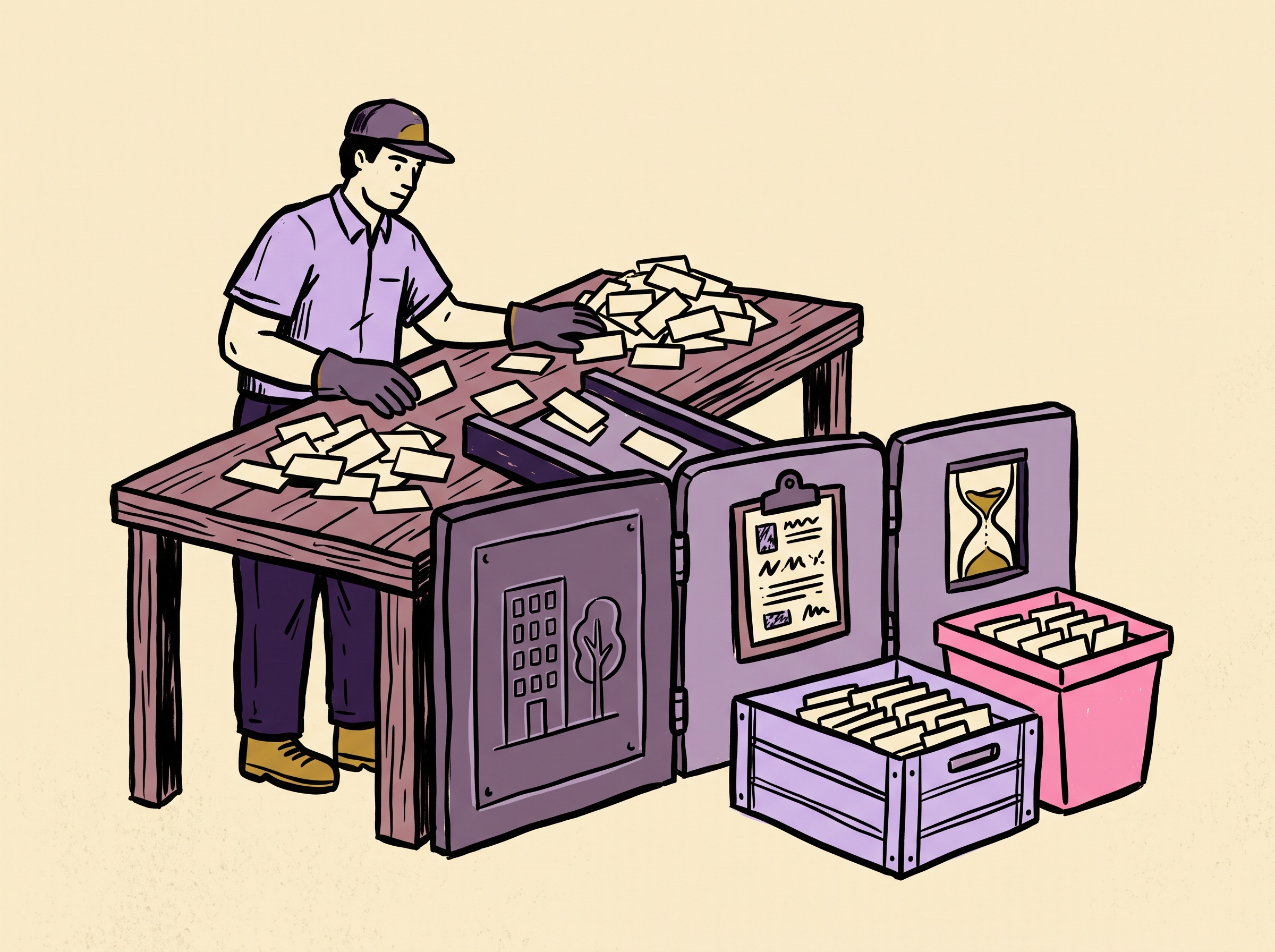
If you want that filter without standing up a watch list, Ken Daily drips 10 verified ICP-matched leads each morning, free, no card. A Ken lead is qualified and has a valid email — finished output, not a title-change alert.
When should you email a newly hired VP?
Not the morning the LinkedIn banner updates.
Week one is onboarding and a pile of identical congratulations. You are one of forty. A demo request on day three is as likely to annoy as it is to convert. Waiting until month six with "saw you started last quarter" in the opener is trivia — the stack is mostly set by then.
The table below is an operating heuristic, not a measured reply-rate-by-day study. We will not invent one. Use it to decide whether to write and what kind of email.
| Days since start | What they are actually doing | What to send | Skip / wait |
|---|---|---|---|
| 0–7 | Onboarding. Calendar is a bunker. Congrats flood is at its peak. | Champion-only: short, human, no pitch. Stranger: do not sell. | No prior relationship; you only have the title change. |
| 8–30 | Forming opinions. Honeymoon noise drops. Still time-poor. | One observation about the company or function, mandate in the background. Cheap ask (a two-sentence question, or a forwardable artifact). | Company fails ICP, or you still cannot name the mandate. |
| 31–90 | Audit is open. Plan is heading toward a CEO or board. | Offer mapped to the first-90 job. Proof a peer in that seat would recognize. Meeting ask is allowed if Gate 2 is clean. | Your product does not touch anything in that plan. |
| 91+ | New-hire window has decayed. They own the stack they kept. | Ordinary outbound. Drop the "new role" opener. | You were going to lead with the hire. |
Detection lag eats the window. LinkedIn updates often land 1–4 weeks after the real start date, so date the role, not the notification. Do not compress a 90-day audit into a seven-touch week — stacked pitches in week two read as the pile they are already deleting. Hours matter for first-party site visits. They do not matter for a public hire. Write within 1–2 weeks of a usable angle. If the only sentence you have is the press release, wait — or do not write.
What do you say besides congratulations?
Open on the job, not the career.
The broken template is: sentence one is about their promotion, the rest is about your product. Invert it. Put a specific observation about the company or function in the first line. Let the role change sit in the background. If you stripped the hire out of the email and the rest still makes sense, you are not running a merge field.
Research that actually changes the sentence (ten minutes, not a biography):
- Up-market move. They now own a harder version of the problem. Lead with frameworks, not feature lists.
- Down-market move. They came from more budget and more headcount. Lead with how the work gets done with a small team.
- Functional pivot. A demand-gen leader who became CCO does not think like the support-lifers in that seat. Name the pivot.
- Competitor migration. They already know your category. Skip the education.
The first ask should be cheap. A 30-minute discovery call in email one is asking a new VP to spend scarce calendar on a stranger. Better: a two-sentence question, a teardown they could forward, a 15-minute conversation with a named operator. Save the demo for a reply.
This is AI email personalization at the only level that works: the substance changes, not the greeting. Unsupervised models are good at congratulations and bad at mandates. A human writes the framework, AI fine-tunes from real context (not {{FirstName}}), and a human approves before anything sends. How to write and QA cold email at scale is the review loop when volume goes up.
A skeleton that survives the flood (stranger, day ~21, ICP already passed):
Subject: the eight AE reqs
Saw the raise and the open AE seats on the careers page. Most VPs walking into a hiring sprint inherit a ramp plan built for a smaller team — that is usually the first thing that breaks.
You ran a larger org at [previous company]. Curious whether you are porting that playbook or rebuilding for this motion.
Two-sentence reply is fine.
No congratulations. A public tell. A contrast between old seat and new seat. An ask they can answer without a meeting. That is the bar.
Should you email the person who left or the person who arrived?
Depends which play you are in. Often both, with different jobs.
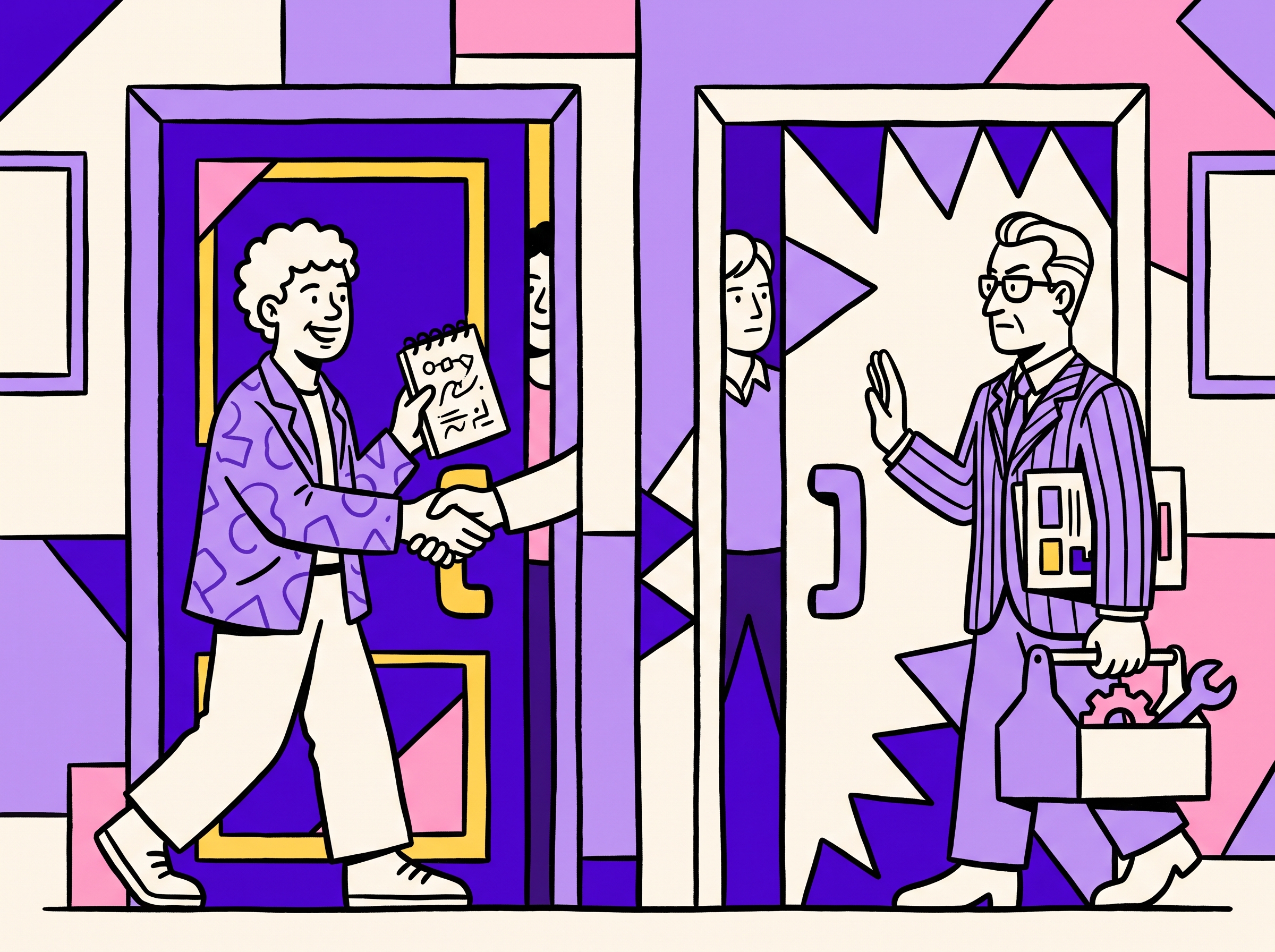
The person who arrived (incoming stranger). Email them if Gates 1 and 2 pass. They are running the audit. Do not copy the departed. Do not mention the predecessor's stack ("I see you used X"). That reads as predatory.
The person who left (your champion). Two jobs, in this order: (1) protect the account they vacated — reconnect before renewal; (2) walk through the warm door at the new company if Gate 1 still passes. Open on the result you already drove together. A catch-up, not a demo.
The person who left (no relationship). A polite note is optional. A sequence is not. You do not have a job-change play. You have a name.
Internal promotion, same company. New authority, same logo. Useful when scope actually expanded. Useless when it is a title bump with the same budget. Treat it as Gate 2 or skip.
If you only have capacity for one email, send it to the person who can change the stack and whose company you already wanted. Everyone else is a contact you keep warm, not a campaign.
How Ken runs job-change intent (without firing the send)
Detection can be automated. Authorship cannot.
On Ken's pricing, Core ($597/mo) and VIP ($4,597/mo) are both done-for-you outbound with the same software limits: 5,000 qualified leads, 1,000 emails/day, 5 LinkedIn seats. VIP adds signal-based campaigns. We watch the event, we still start from ICP, a human still authors and approves. The customer can also run the same motion in the app. We still do not let a model hit send because a title flipped.
Most teams searching this query do not need another job-change SaaS. They need a smaller list and a sentence that maps to the mandate. Timing layer: signal-based outbound. List work: build the ICP first. Ten verified leads tomorrow: Ken Daily.
FAQ
Is a job change a buying signal?
It is a window, not a purchase. A new VP may evaluate vendors in the first 90 days. That is only useful if the company was already ICP and your offer maps to the mandate they were hired to deliver. Title change alone is not intent.
How soon after a job change is too soon?
Day 0–7 is too soon for a stranger pitch. The inbox is full of congratulations and the buyer is in onboarding. Champion notes can go out immediately if they are short and pitch-free. For everyone else, wait until you have an angle that is not the announcement — usually after week one, and only if Gates 1 and 2 still pass.
What do you say besides congratulations?
Name the job they were hired to do, with one specific observation about the company or function. Keep the role change in the background. Make the first ask cheap. If the email still works after you delete the hire, you wrote it correctly.
Should I email the person who left or the person who arrived?
Arrival at an ICP account: yes, mandate-led, cold. Champion who moved: yes, history-led, and also reconnect at the account they vacated. No relationship and a bad-fit new company: a human note at most, no sequence.
Do I need UserGems, Champify, or Clay to run this?
No. Those tools watch people. You still have to filter. Sales Navigator plus a tight ICP and a human-written framework is enough to start. A job-change feed pointed at a 10,000-row CSV is the same spray, now with a merge field.
Does Ken run job-change campaigns?
As part of signal-based campaigns on VIP. Public plans are Core ($597/mo) and VIP ($4,597/mo), both done-for-you, same software limits. A human still writes the framework and approves. Ken Daily is the free starting point if you want ICP-matched leads without a watch list.